
TSMC’s Arizona Expansion Raises the Stakes for U.S. Chip Manufacturing
Reports point to a substantial expansion of TSMC’s semiconductor manufacturing capacity in Arizona, driven by demand from U.S. customers and pressure to diversify advanced-chip production. The strategic direction is clear, but conflicting descriptions of the financial commitment leave investors with unresolved questions about the project’s scale, timing and economic consequences.
AS1 News
 TSM
TSM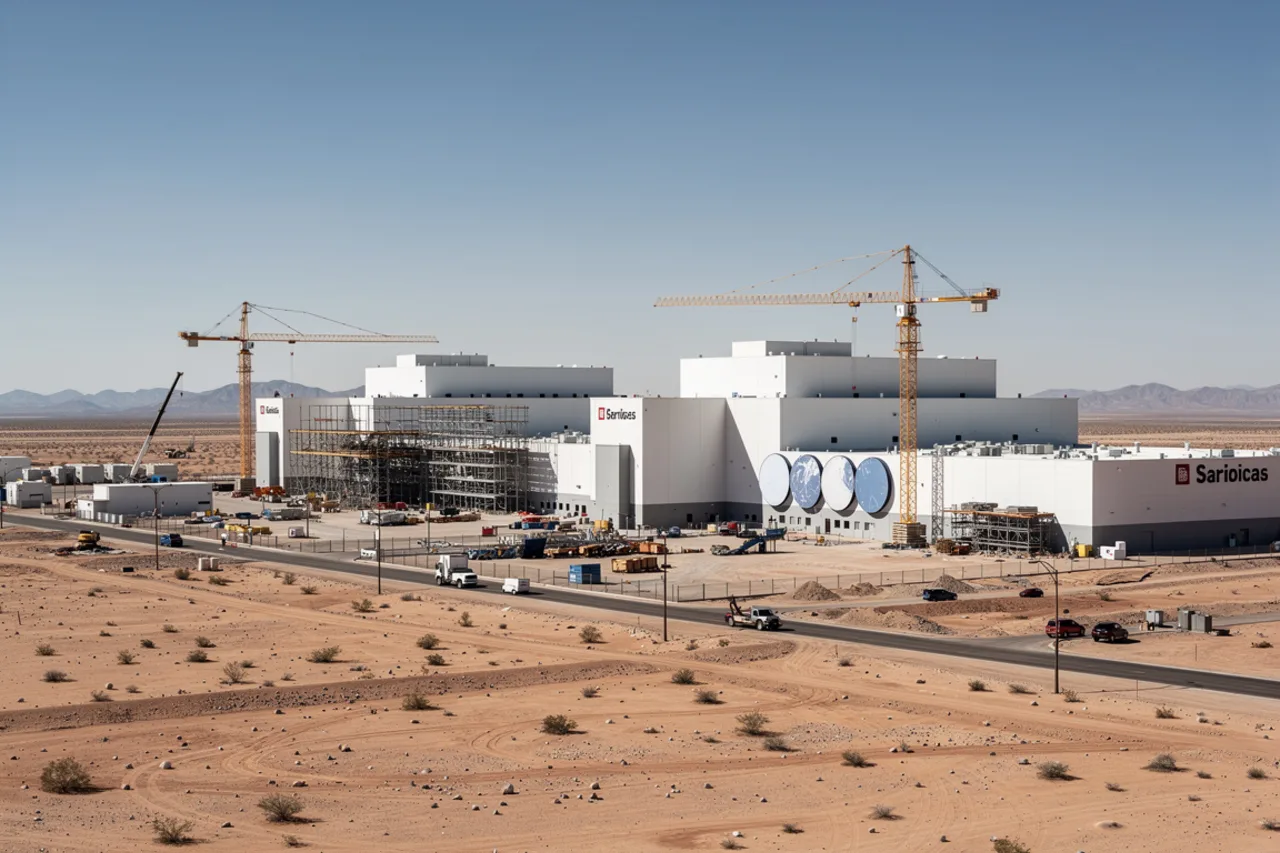
TSMC’s reported Arizona expansion is a significant test of whether advanced semiconductor manufacturing can be diversified without weakening the economics that made the company the world’s leading contract chipmaker. The development has implications beyond one factory: automotive, consumer electronics and data-center companies depend on advanced chips, while the United States is seeking a more resilient domestic semiconductor ecosystem.
The available reports agree that Taiwan Semiconductor Manufacturing Company is expanding its manufacturing presence in the United States and responding to demand from U.S.-based customers. They also connect the move to supply-chain resilience and the broader competition to secure advanced semiconductor capacity. That shared direction provides a credible strategic signal even though the financial details are less certain.
The central unresolved issue is the size of the commitment. One report says TSMC plans to invest an additional $100 billion in its Arizona operation. Another describes a substantial agreement and significant capital investment but says specific financial details were not disclosed. Without consistent disclosure or an official filing in the material reviewed, the $100 billion figure cannot be treated as fully confirmed.
For equity investors, that distinction matters. A manufacturing expansion can strengthen TSMC’s access to U.S. customers and reduce geographic concentration, but the size and schedule of the spending determine how demanding the project may be. The strategic benefit of additional capacity cannot be evaluated separately from execution, utilization and market conditions.
The expansion also highlights the tension between resilience and efficiency in semiconductor production. Building more capacity in the United States may give customers greater geographic diversity and support the domestic chip ecosystem. Yet a large capital program creates a higher execution threshold, particularly when the available reports do not specify project milestones, production start dates or expected financial contributions.
The wider sector relevance comes from TSMC’s role in supplying chips used across data centers, vehicles and consumer electronics. Additional U.S. production could influence the planning of customers and related suppliers, but the reports do not establish when new capacity will become available or which customers will use it. Any conclusion about near-term supply or earnings effects would therefore be premature.
The strongest counterargument is that the expansion may be interpreted too quickly as an unqualified positive. Rising customer demand supports the strategic case, but announced capacity does not by itself establish commercial returns. Construction, production ramp-up and customer qualification remain essential, and none of those outcomes is detailed in the reports.
Investors should monitor TSMC’s official disclosures for a verified investment total, the timetable for additional Arizona capacity and any explanation of how the program fits within the company’s broader manufacturing strategy. Details about the technologies to be produced, customer commitments and project milestones would provide a firmer basis for evaluating the equity-market implications.
For now, the clearest conclusion is strategic rather than financial: TSMC appears committed to a larger U.S. manufacturing footprint as advanced-chip demand and supply-chain security become increasingly linked. The scale of the opportunity may be substantial, but the conflicting financial descriptions make disciplined verification more valuable than a headline number.
The expansion could improve geographic diversification and reinforce TSMC’s relationship with U.S. chip customers, while potentially increasing execution and capital-allocation scrutiny. The absence of consistently reported financial details limits conclusions about earnings, valuation or near-term capacity.