
SpaceX's Market Cap Plummets $1 Trillion Amid Starship Launch Delays, Signaling Sector Volatility
SpaceX has lost approximately $1 trillion in market capitalization since mid-June due to multiple unsuccessful Starship launch attempts. This development underscores the volatility and technical challenges facing the commercial space industry, with implications for investor confidence and future sector growth.
AS1 News
 SPCX
SPCX COST
COST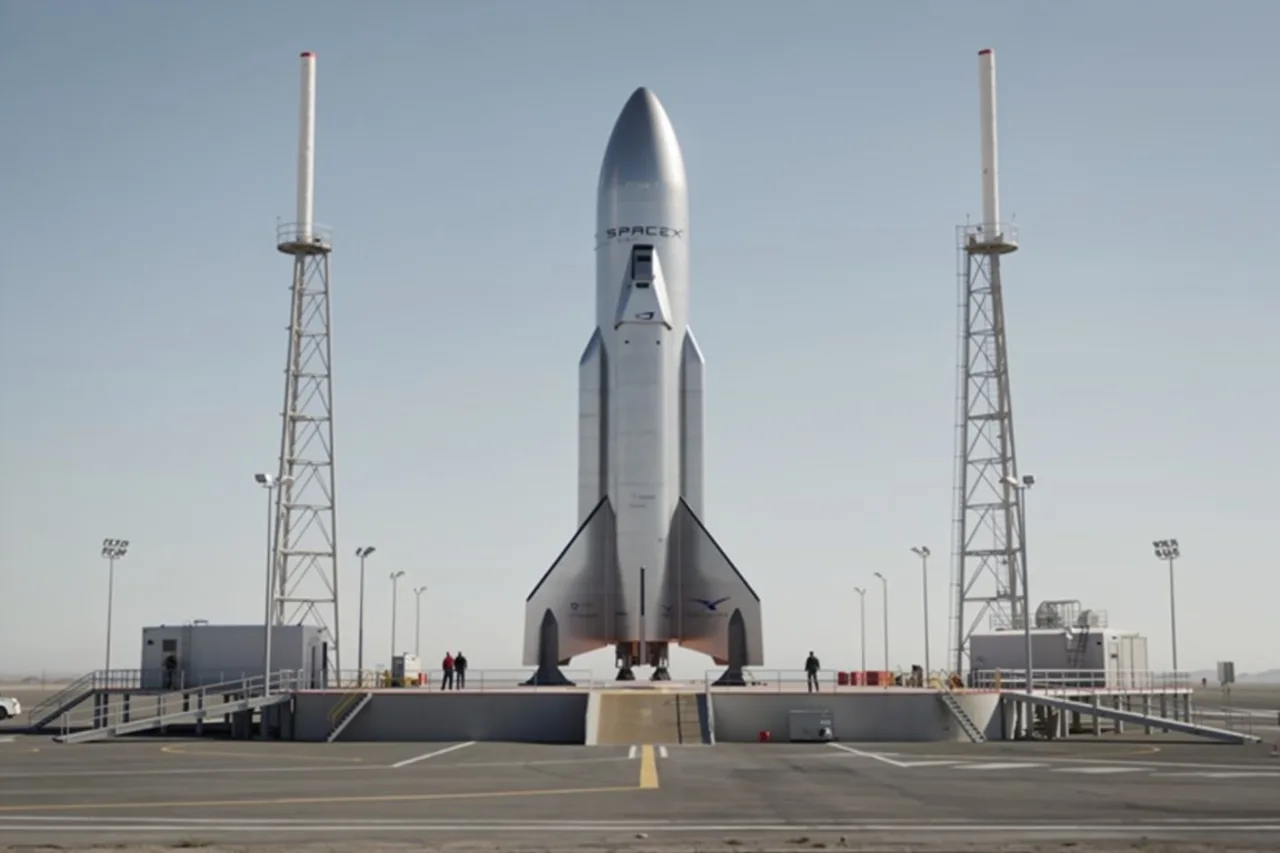
The recent decline in SpaceX's market value, amounting to around $1 trillion, marks one of the most dramatic valuation drops in recent industry history. Officially confirmed, the company's valuation erosion correlates directly with repeated scrubbing of its flagship Starship launches, which are central to Elon Musk's ambitious plans for Mars colonization and commercial spaceflight. These setbacks have raised serious questions about the technical readiness of Starship and the timeline for revenue generation from its various projects.
Market analysts suggest that this valuation loss reflects broader investor concerns about the company's ability to meet its aggressive development milestones and the high financial risks associated with pioneering aerospace technology. The situation exemplifies the inherent volatility in the space industry, especially for firms pursuing unproven, groundbreaking projects.
In the context of the current market environment, where investor sentiment is sensitive to technological delays and project execution risks, SpaceX's valuation decline could influence broader perceptions of the commercial space sector. The company's IPO, which recently set a record valuation, initially signaled strong investor interest and confidence in the sector's growth potential. However, the recent setbacks have introduced a note of caution.
Affected stakeholders include SpaceX's shareholders and potential partners, as well as the wider aerospace and technology sectors that are closely linked to SpaceX's success. The valuation drop may lead to increased scrutiny of other space ventures and could impact funding and strategic partnerships across the industry.
Multiple reports indicate that the valuation erosion is primarily driven by technical delays and the scrubbing of launch attempts, which have heightened concerns about project timelines and cost overruns. While SpaceX continues to develop its Starship program, the recent setbacks highlight the risks of high-profile aerospace innovation.
The strongest counterargument is that SpaceX's long-term strategic vision remains intact, and the company has demonstrated resilience in overcoming past technical challenges. The current valuation decline might be viewed as a temporary market reaction rather than a fundamental failure.
For investors, the key implications include heightened volatility in SpaceX's stock and valuation, as well as increased caution among investors in the broader space sector. The company's ability to resume successful launches and meet its development milestones will be critical to restoring confidence.
Next, market participants should monitor SpaceX's upcoming launch attempts, technical progress, and any strategic adjustments announced by the company. Additionally, developments in the broader space industry and investor sentiment towards aerospace innovation will influence future valuations.
In conclusion, the $1 trillion valuation loss underscores the risks and volatility inherent in pioneering aerospace projects. While SpaceX's long-term prospects remain significant, near-term investor confidence has been notably impacted by recent technical setbacks, emphasizing the sector's high-stakes nature and the importance of project execution.
The valuation decline may lead to increased sector volatility and influence investor sentiment towards aerospace innovation and high-risk technology investments.