
AI research
Google releases large-scale ATLAS study of real-world AI use
Google’s first AI & Economy ATLAS dataset analyzes 15 million aggregated and de-identified interactions across Gemini, AI Mode and the Gemini API. Covering more than 150 countries, 140 languages, 800 occupations and 4,000 tasks, the study indicates that workplace AI use is widespread but remains concentrated on assistance rather than full task automation.
AS1 News
 REAL
REAL GOOGL
GOOGL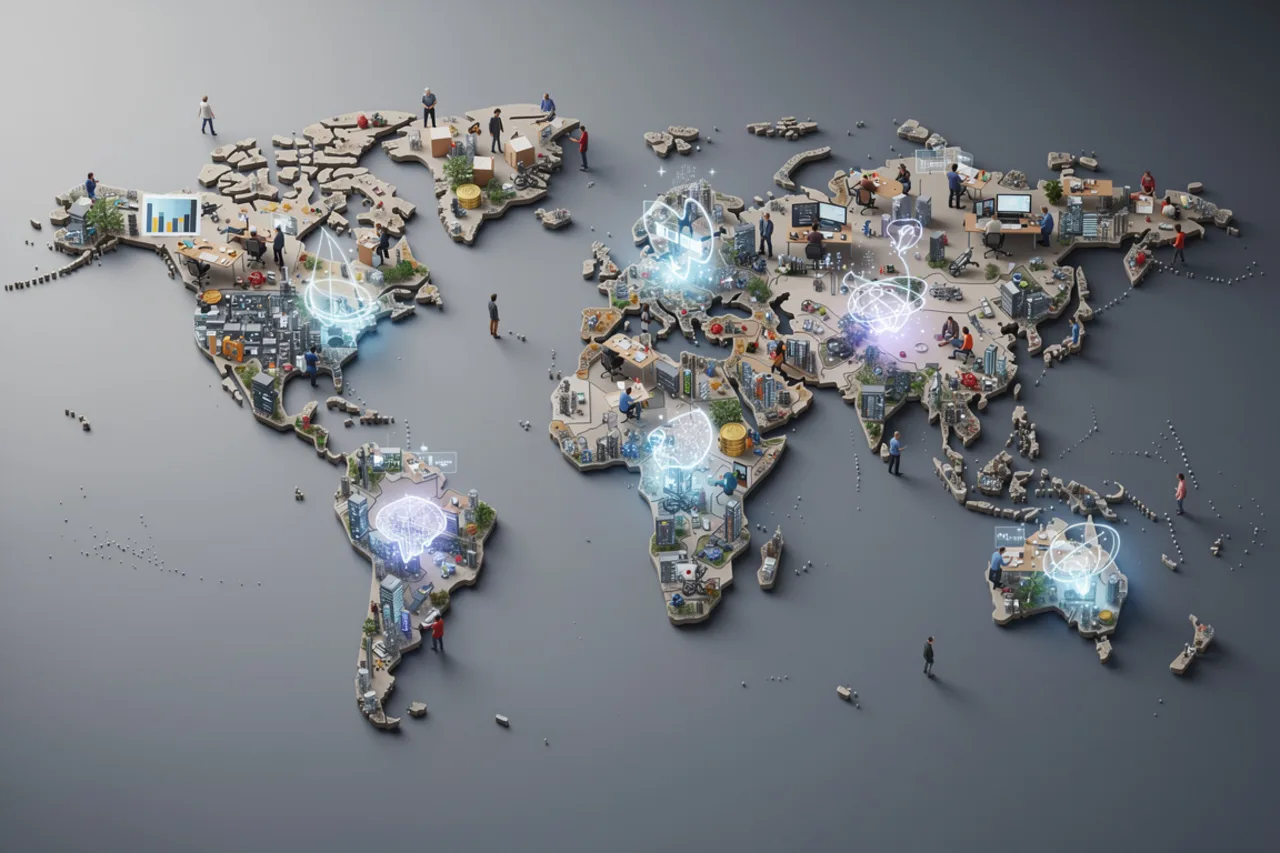
Google published the first AI & Economy ATLAS dataset on July 23, 2026, offering a large-scale view of how people use generative AI at work and at home.
The dataset analyzes 15 million aggregated and de-identified interactions across Gemini, AI Mode and the Gemini API. Its scope includes more than 150 countries, 140 languages, 800 occupations and 4,000 tasks.
The findings indicate that workplace use of generative AI is widespread, but activity is concentrated on assisting people rather than fully automating tasks. That distinction matters because it provides empirical evidence about AI’s current role in everyday work: the observed interactions point primarily to augmentation rather than complete task replacement.
The publication is significant for the breadth of its coverage across products, countries, languages, occupations and tasks. It also extends beyond workplace activity to include AI use at home, giving researchers and policymakers a broader dataset for examining how generative AI is being adopted.
What is confirmed is the dataset’s publication, its stated scale and coverage, and its finding that workplace interactions are weighted toward assistance instead of full automation. What remains uncertain is how far patterns in interactions across Google’s services represent AI use beyond those products. The supplied findings also do not establish the broader economic consequences of these usage patterns.
The ATLAS dataset adds unusually broad empirical evidence to debates about AI adoption, showing extensive use across work and home contexts while indicating that workplace activity is currently centered on assistance rather than full task automation.